MARKET CONSIDERATIONS FOR DATA CENTERS
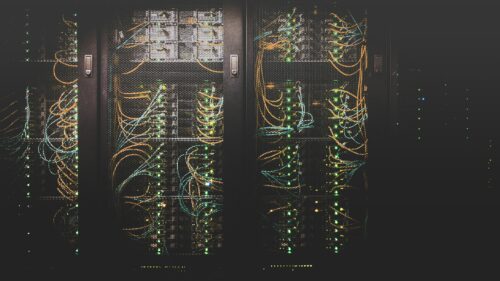
Demand for data centers across the U.S. continues to rise rapidly, driven by the expanding use of artificial intelligence, cloud computing, and increasingly digital business operations. Many major markets are experiencing limited available capacity, and new facilities are often absorbed quickly as organizations race to secure the infrastructure needed to support growing computing requirements.
This sustained growth is creating heightened pressure on power availability, construction costs, and energy performance expectations. As a result, efficiency and sustainability have become central to data center planning and design. RTM supports clients in navigating these challenges by integrating forward looking energy strategies, cost effective design approaches, and carbon reduction measures into each stage of development.

Energy Strategies
Energy consumption is a significant concern in data center developments due to the substantial amount of power these facilities require to operate and cool servers. Data centers are critical for supporting the digital infrastructure of modern society, however their energy-intensive nature contributes to environmental issues. As a result, there is a growing emphasis on designing energy-efficient data centers, utilizing renewable energy sources, and implementing advanced cooling technologies to mitigate their environmental impact.
Cost Savings
The rising costs associated with the demand for data center development are driven by several factors. As the digital economy expands, the need for robust reliable data storage is growing, leading to increased investment in data center infrastructure. Key cost drivers include energy costs, land and construction costs, technological upgrades, and cooling control. These rising costs present a significant challenge, prompting the industry to seek innovative solutions.
Reducing Carbon Footprint
The demand for data center developments has a notable impact on climate change and contributes to greenhouse gas emissions in several ways. High energy consumption, the carbon footprint of data centers, heat generation by servers, the construction and maintenance of the facilities, and emissions throughout their lifecycle are important factors. Design initiatives should aim to reduce the carbon footprint of data centers and align their growth with global climate goals.
OUR EXPERIENCE & STRATEGIES
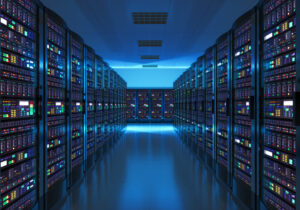 RTM works with clients of mission critical facilities to determine each building’s needs in terms of reliability, flexibility, security, power, and speed. Our data center experts design cost-effective and energy-efficient systems to ensure these facilities operate continuously and year-round. We offer specialized services including low voltage and security management system design for various projects from mid-sized data centers to large network operation centers. As technology advances, or changes occur within a facility, RTM provides continued consultation to maintain operational efficiencies and functionality.
Trends we are seeing in data center design:
- Hot aisle containment to increase cooling system efficiency using Computer Room Air Handling (CRAH) systems.
- Enclosed hot aisle containment using in-row cooling modules or Rear Door Heat Exchangers (RDHx).
- 415/240V power distribution to the customer equipment racks.
- Distributed redundancy in lieu of traditional 2N and N+x redundant distribution systems.
- Water-cooled servers using Coolant Distribution Unit (CDU) heat exchangers to provide direct-to-chip liquid cooling.
- On-site power generation using systems such as natural gas turbines, and natural gas fuel cells.
As a partner to our clients, we aim to meet current demands but also anticipate future challenges, ensuring that our clients are always ahead in the dynamic landscape of data center development.