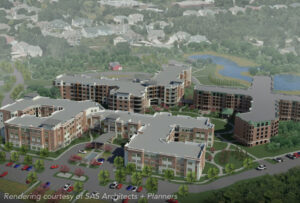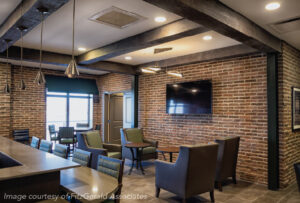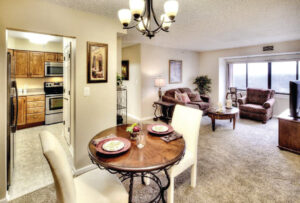
As life expectancy increases and staffing shortages continue, senior care facilities must operate more efficiently while meeting heightened expectations from regulators, insurers, residents, and families. Aging MEP systems often drive rising operating costs, reliability risks, and compliance challenges. At the same time, senior living models are evolving toward wellness-focused, technology-enabled environments. Because mechanical, electrical, and plumbing systems are the backbone of safety, comfort, and efficiency, forward-thinking facility owners are prioritizing strategic upgrades. RTM’s team remains actively engaged in emerging best practices to help clients plan adaptive, future-ready MEP solutions that support both operational resilience and resident well-being.
DESIGNING FOR RESIDENT HEALTH, COMFORT, AND LONGEVITY
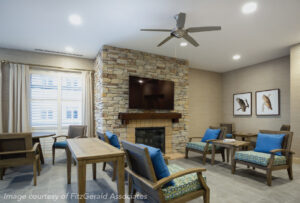
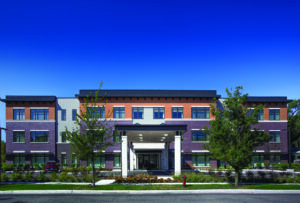
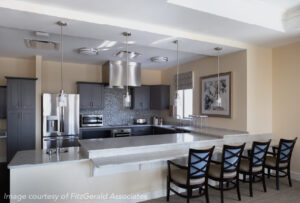
Engineering decisions directly impact resident quality of life. Advanced HVAC systems play a critical role in infection control, indoor air quality, thermal comfort, and humidity management, reducing respiratory illness risks and protecting building materials. Design strategies prioritize a residential look and feel, moving away from institutional cues through thoughtful selection of lighting, plumbing fixtures, and visible systems. Lighting systems that consider intensity, timing, and color temperature can support circadian rhythms and cognitive health. Thoughtful MEP design ensures these systems work together seamlessly to create safe, comfortable environments that promote long-term health.
PREPARING FACILITIES FOR THE UNEXPECTED
In senior care settings, resilience is not optional, it is a necessity. Facilities must be prepared for power outages, extreme weather events, and system failures without disrupting care. Redundant power strategies, emergency-ready HVAC, and reliable domestic water systems all contribute to continuity of operations. Designing for resilience upfront reduces long-term risk, supports life safety, and protects both residents and staff during unexpected events.
ENERGY EFFICIENCY WITHOUT DISTRUPTING RESIDENTS
Upgrading systems in active senior care facilities presents unique challenges. Phased MEP retrofits can minimize resident displacement while delivering meaningful performance improvements. High-efficiency boilers, chillers, and heat pump systems, paired with electrification and decarbonization strategies, can significantly reduce energy use and operating costs over time. Smart controls, lifecycle cost analysis, and utility incentives may also help owners balance sustainability goals with reliability, comfort, and budget realities.
SMART BUILDINGS, TECHNOLOGY, AND STAFF SUPPORT
Senior care facilities are increasingly adopting smart technologies to improve operations and care delivery. Building automation systems enable predictive maintenance, while IoT sensors monitor air quality, temperature, and water usage in real time. Integration with nurse call, security, and monitoring systems enhances safety and responsiveness. Well-designed MEP systems also support staff efficiency by improving comfort, reducing maintenance burdens, and allowing caregivers to focus on residents rather than facility issues. In this role, MEP engineers serve as system integrators, not just designers.
COMPLIANCE, STRATEGY, AND ENGINEERING PARTNERS
Energy codes, healthcare ventilation standards, accessibility requirements, and sustainability mandates continue to evolve. Proactive planning helps facility owners stay ahead of regulatory changes instead of reacting to them. A successful upgrade strategy begins with a clear assessment of system risk, prioritization based on ROI, and a phased implementation plan. Partnering with an experienced MEP engineering firm early in the process allows owners to align technical decisions with long-term operational, financial, and care objectives, positioning facilities to meet the demands of the future with confidence.
MEET AN EXPERT IN THIS TOPIC
Eric Brill, Principal at RTM, brings extensive expertise in electrical design and project management across multiple sectors, including senior care facilities, specializing in power distribution, lighting, fire alarm, and security systems. His hands-on approach and commitment to excellence ensure that projects are executed smoothly and exceed client expectations from design through construction.
 Eric Brill, Principal
19+ years of experience in electrical engineering design in a wide range of sectors, including senior care facilities.